
Our Collection
Explore our handpicked artworks
 photo
photo
KAMUSONI Ingrid 2 | From Survival To Governance
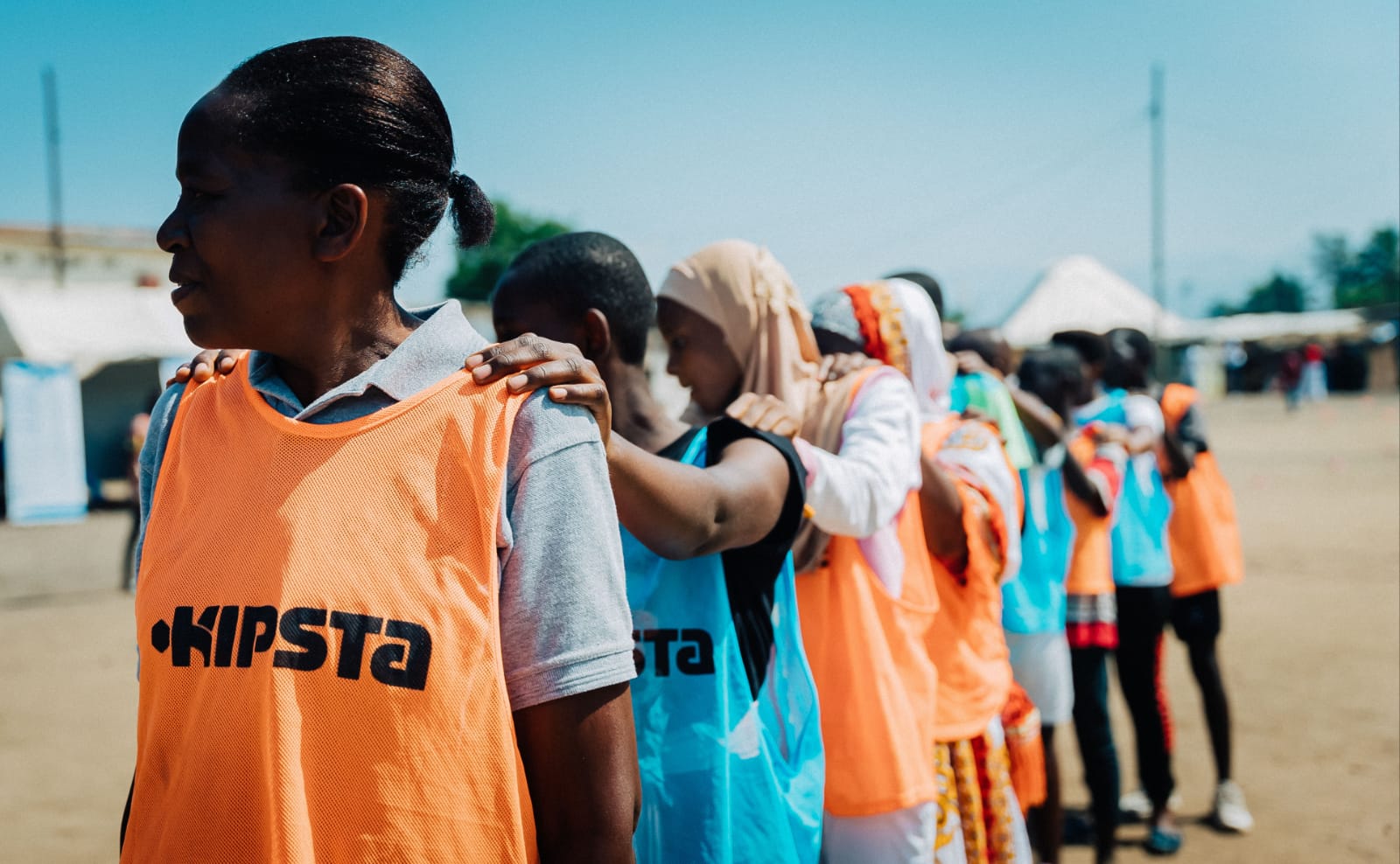
My work is to change the system one community, one club, one girl at a time." Through every programme she has designed, every network she has built, every girl she has equipped with knowledge and confidence, Kamusoni Ingrid has done more than defend rights.
 photo
photo
Congo Speaks to the World | From Survival To Governance
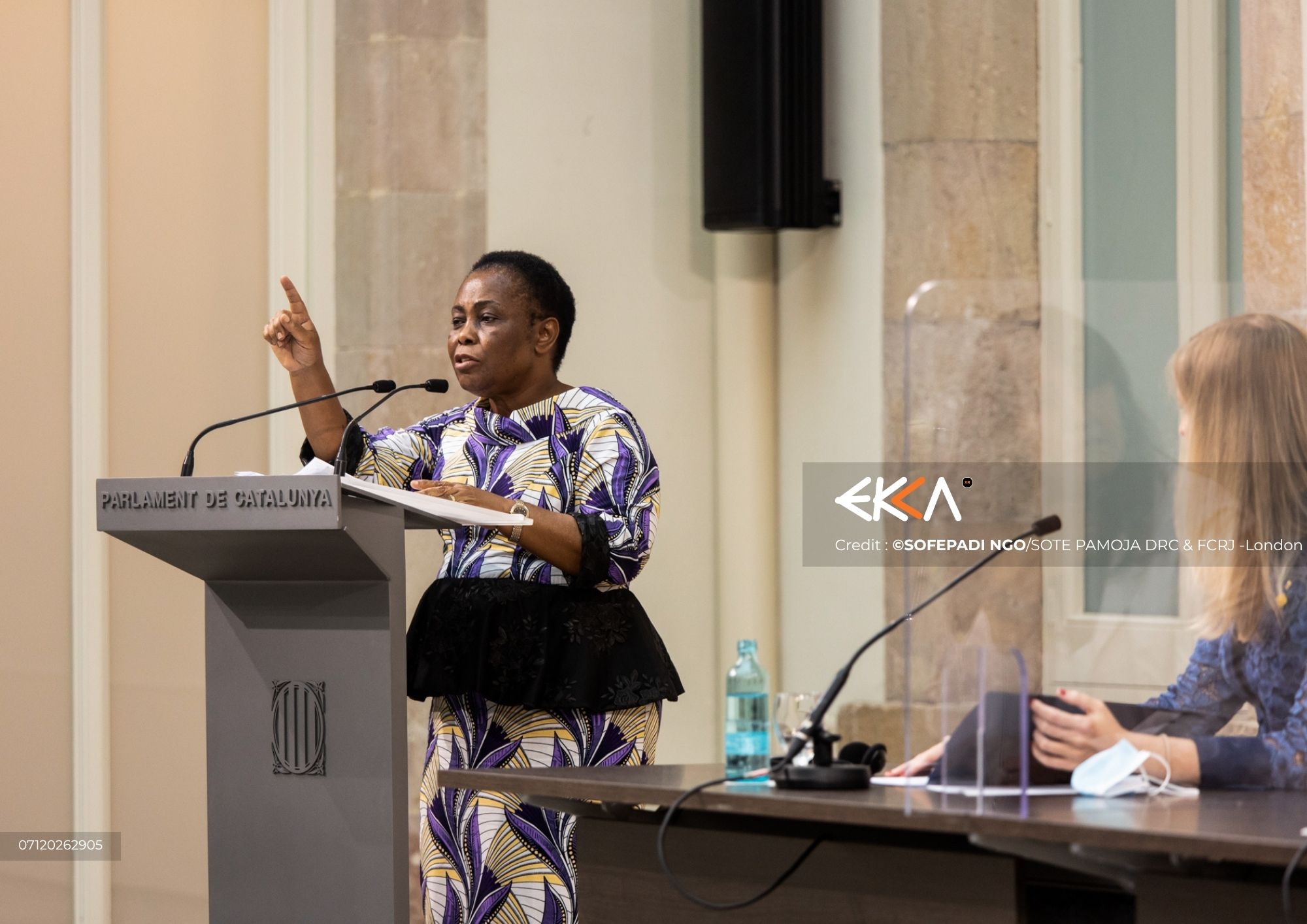
Julienne Lusenge, Executive Director of the Congolese Women's Fund and one of the Democratic Republic of Congo's most prominent international advocates, addresses lawmakers at the Parliament of Catalonia in Barcelona, Spain, date unspecified (archive). Speaking with characteristic passion and precision, Lusenge brings before a European legislative body the devastating reality of sexual violence used as a weapon of war in eastern DRC a crisis that has claimed hundreds of thousands of victims over more than three decades of conflict. Named among Time Magazine's 100 most influential people in 2024 and honored by Amnesty International and the United Nations, Lusenge has made it her mission to ensure that the suffering of Congolese women generates not only sympathy but concrete political action, legal accountability, and sustained international solidarity from governments and institutions around the world.
 photo
photo
Where It All Begins | From Survival To Governance
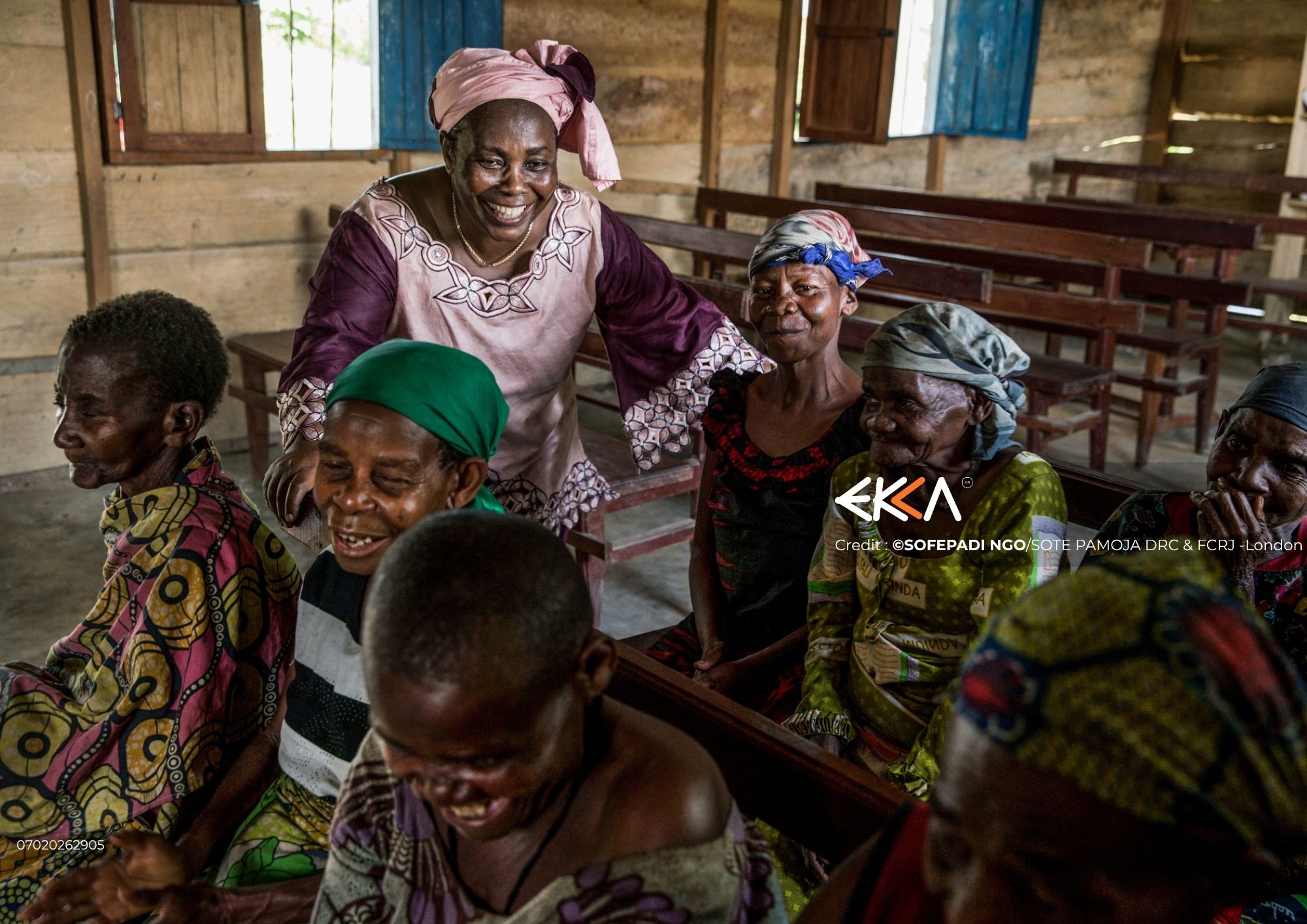
A community leader supported by SOFEPADI the organization co-founded by Julienne Lusenge in 2000 shares a moment of warmth and laughter with elderly women survivors during a community gathering in eastern Democratic Republic of Congo. This image captures the heart of Julienne Lusenge's lifelong mission: reaching the most marginalized women in conflict-affected communities, offering them not only legal and psychosocial support but the irreplaceable gift of solidarity and recognition. While Lusenge carries Congo's cause to international forums from Kigali to Barcelona, the foundation of her work remains rooted in moments like these in remote villages and makeshift community spaces where women who have survived unspeakable violence are reminded that they are seen, valued, and not alone. In a region where millions remain displaced by ongoing armed conflict, SOFEPADI's community-level presence continues to serve as a critical anchor of protection and hope.
 photo
photo
Recognition Hard Won | From Survival To Governance
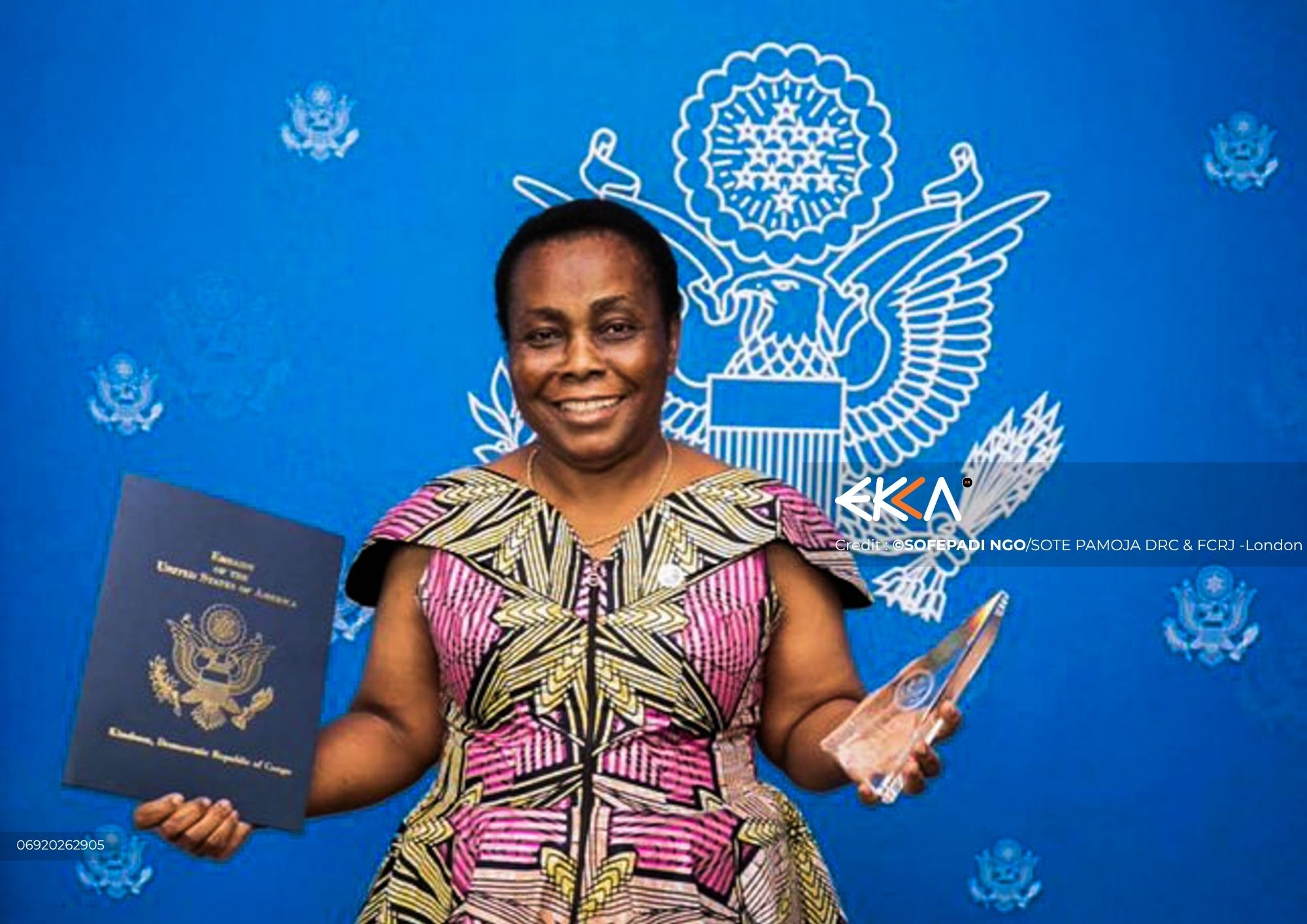
Julienne Lusenge, Executive Director of the Congolese Women's Fund and Aurora Prize laureate, holds an award and official commendation before the seal of the United States Embassy in the Democratic Republic of Congo, date unspecified (archive). The recognition one of many bestowed upon Lusenge by international institutions including the United Nations, Amnesty International, and Time Magazine, which named her among the world's 100 most influential people in 2024 stands as a testament to over two decades of relentless advocacy for women survivors of conflict-related sexual violence in eastern DRC. Yet for Lusenge, awards are not the measure of success: that measure is found in the women freed from silence, the perpetrators brought to justice, and the younger generation of Congolese women defenders now rising, inspired by her example, to continue the fight.
 photo
photo
A Showcase of Success, A Life Dedicated | From Survival To Governance
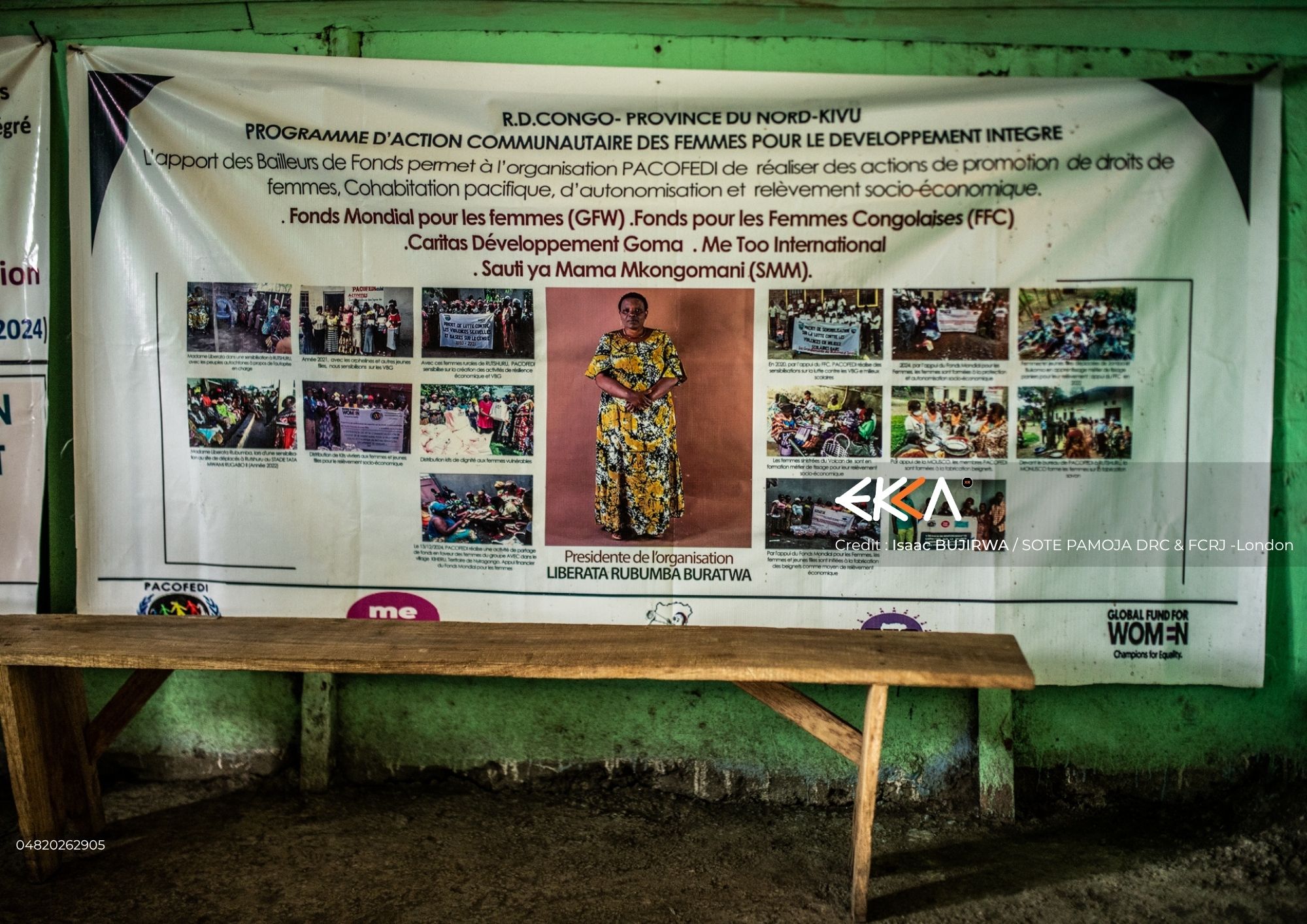
A banner displaying the community action program of PACOFEDI the organization led by Liberata Rubumba Buratwa, 63, peace mediator and President of the Network of Women Ambassadors and Peace Mediators in Rutshuru, North Kivu is seen during a community event in North Kivu, Democratic Republic of Congo, on April 16, 2026. The banner, supported by international partners including the Global Fund for Women, the Congolese Women's Fund, Caritas Développement Goma, Me Too International, and Sauti ya Mama Mkongomani, documents years of grassroots work led by Rubumba in the areas of women's rights promotion, peaceful coexistence, economic empowerment, and the fight against gender-based violence. As eastern DRC grapples with one of the world's most acute humanitarian crises with Rutshuru territory among the areas most severely affected by armed group activity and mass displacement organizations like PACOFEDI, driven by women like Rubumba, represent a critical and often invisible architecture of local resilience.
 photo
photo
A Story Written in a Book | From Survival To Governance
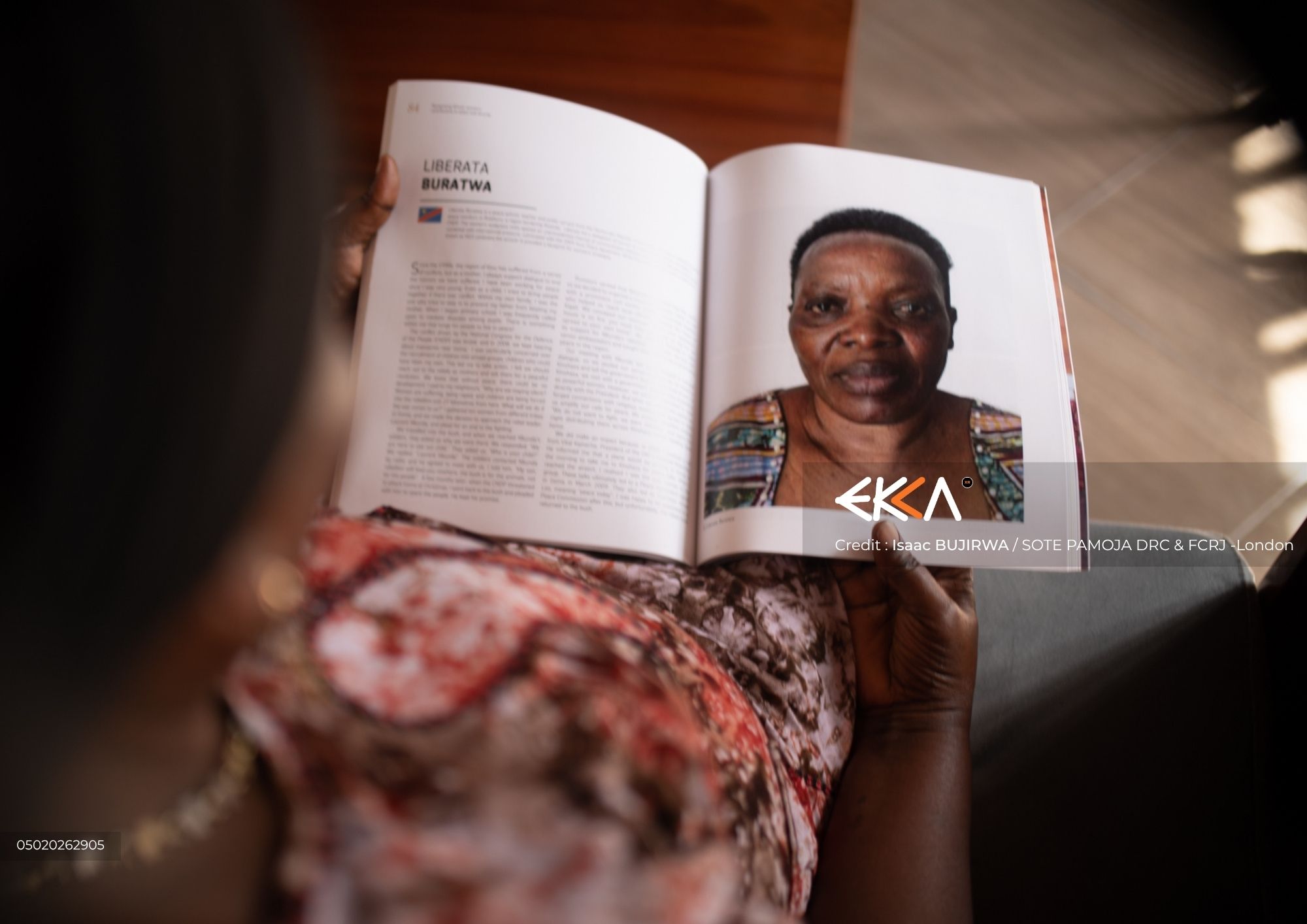
Liberata Rubumba Buratwa, 63, peace mediator and community leader from Rutshuru, North Kivu, holds open a publication in which her portrait and life story appear, photographed in North Kivu, Democratic Republic of Congo, on April 3, 2026. The page bearing her name "Liberata Buratwa" and her weathered, dignified face printed alongside her testimony stands as a rare act of documentation for a woman whose decades of peacebuilding work in one of the world's most dangerous conflict zones have largely unfolded far from public recognition. As the international community continues to debate solutions to the protracted crisis in eastern DRC, publications that center the voices and faces of local women peace leaders like Rubumba serve as crucial reminders that peace is not built in conference rooms alone but by women in communities, day after day, often at great personal risk.