
Our Collection
Explore our handpicked artworks
 photo
photo
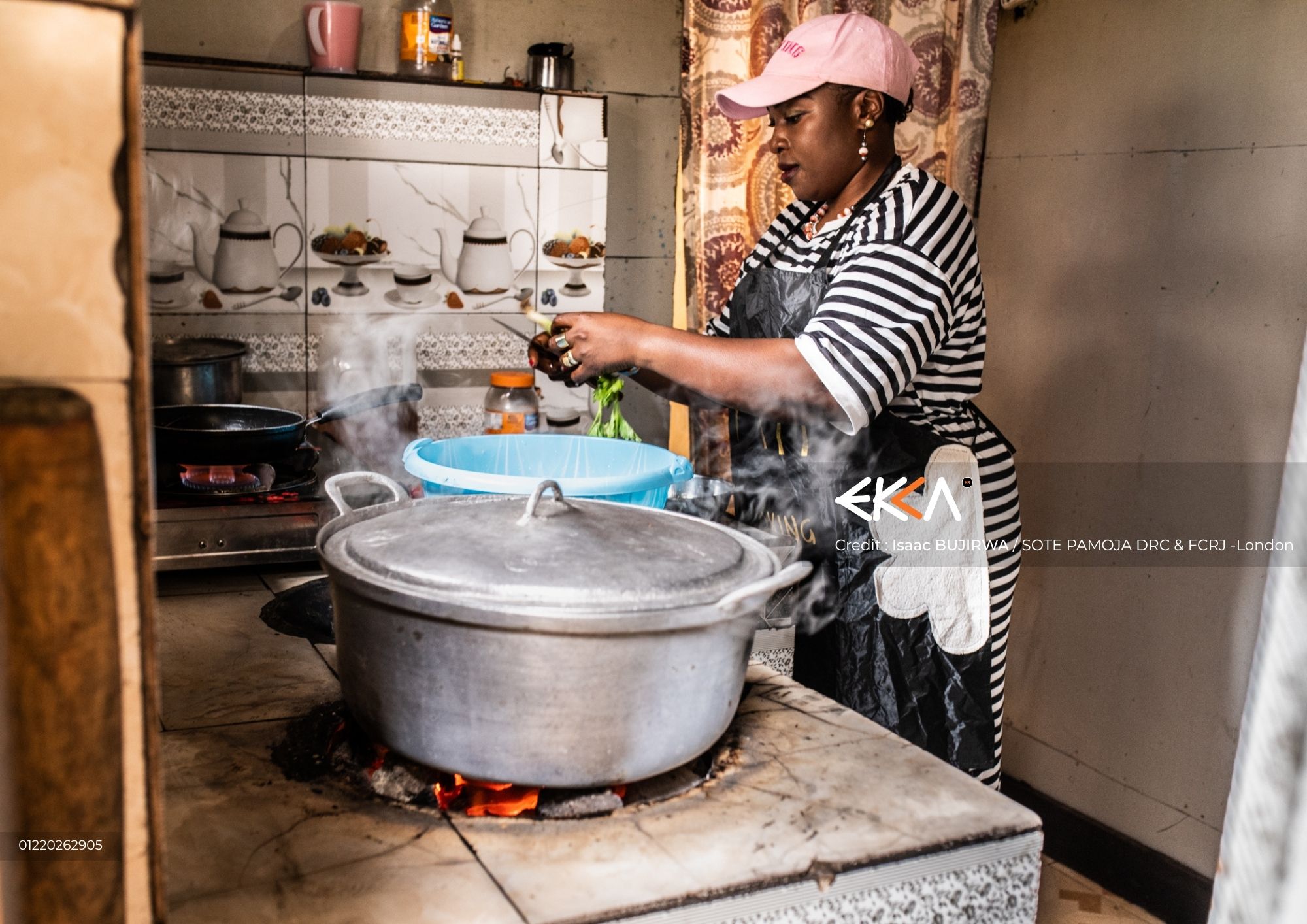
Everyday gestures | From Survival To Governance
On March 1, 2026, in Goma, Democratic Republic of Congo, Emmanuella cooks on a gas stove. For Emmanuella Vasikya and AVSD DRC, this image illustrates the daily lives of millions of women in eastern DRC, who bear the burden of survival alone: feeding their families, rebuilding their communities, and maintaining their lives amidst ongoing conflict. Emmanuella Vasikya's work with AVSD aims to value this invisible labor by transforming it into recognized leadership, advocating at the local and international levels for women to be recognized as agents of peace, not simply as victims. ©Isaac Bujirwa | Sote Pamoja DRC & FCRJ London
 photo
photo
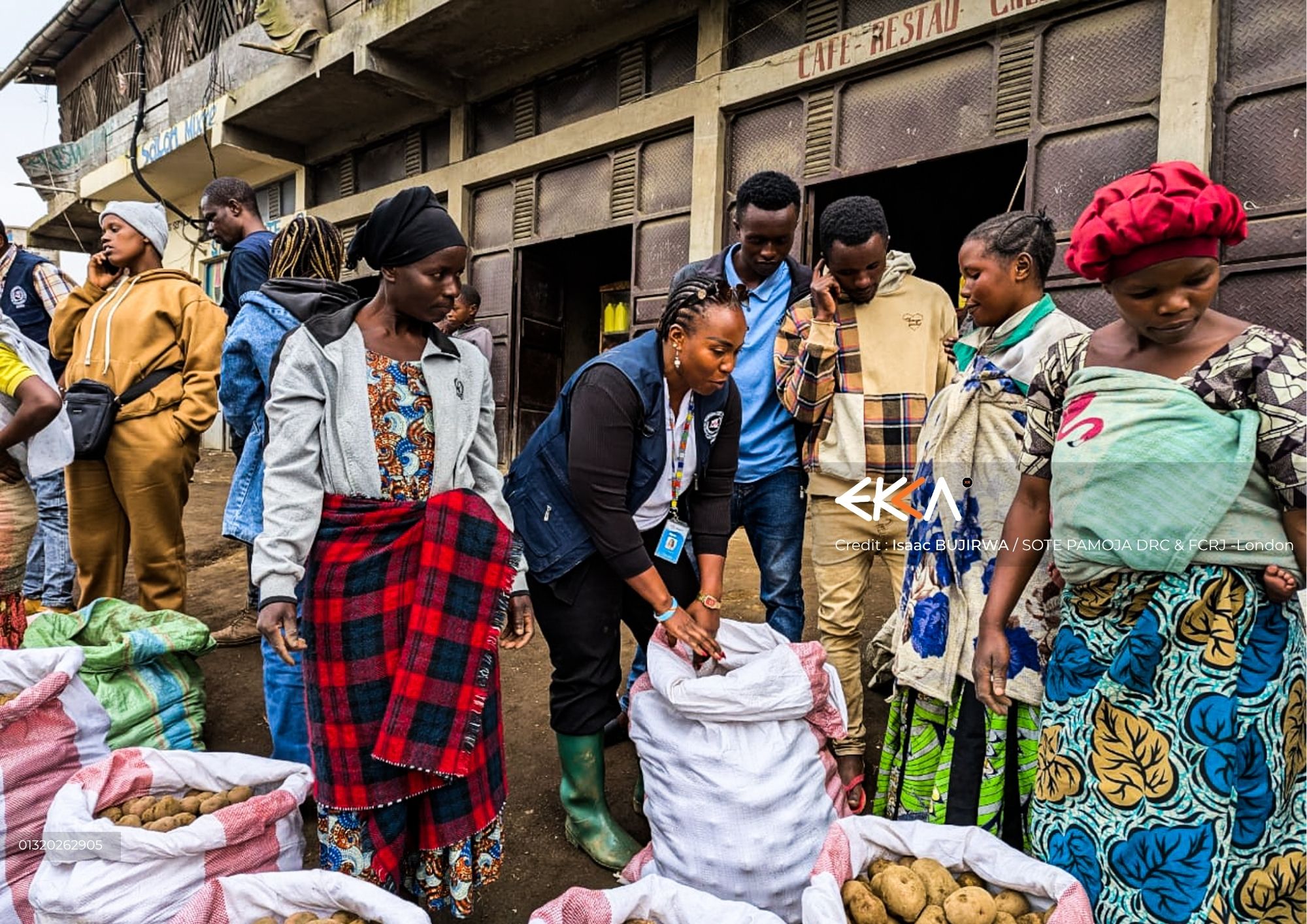
Where Dignity Begins | From Survival To Governance
Emmanuella Vasikya (center, AVSD vest) engages with women vendors at a local market in Goma, Democratic Republic of Congo, on Junuary 1st, 2026. Through AVSD RDC, Vasikya has developed grassroots economic empowerment programs targeting women and girls pushed into extreme vulnerability by years of armed conflict in eastern DRC a crisis that the United Nations has described as one of the world's most severe humanitarian emergencies, with more than 7 million people internally displaced. ©AVSD RDC | Sote Pamoja DRC & FCRJ London
 photo
photo
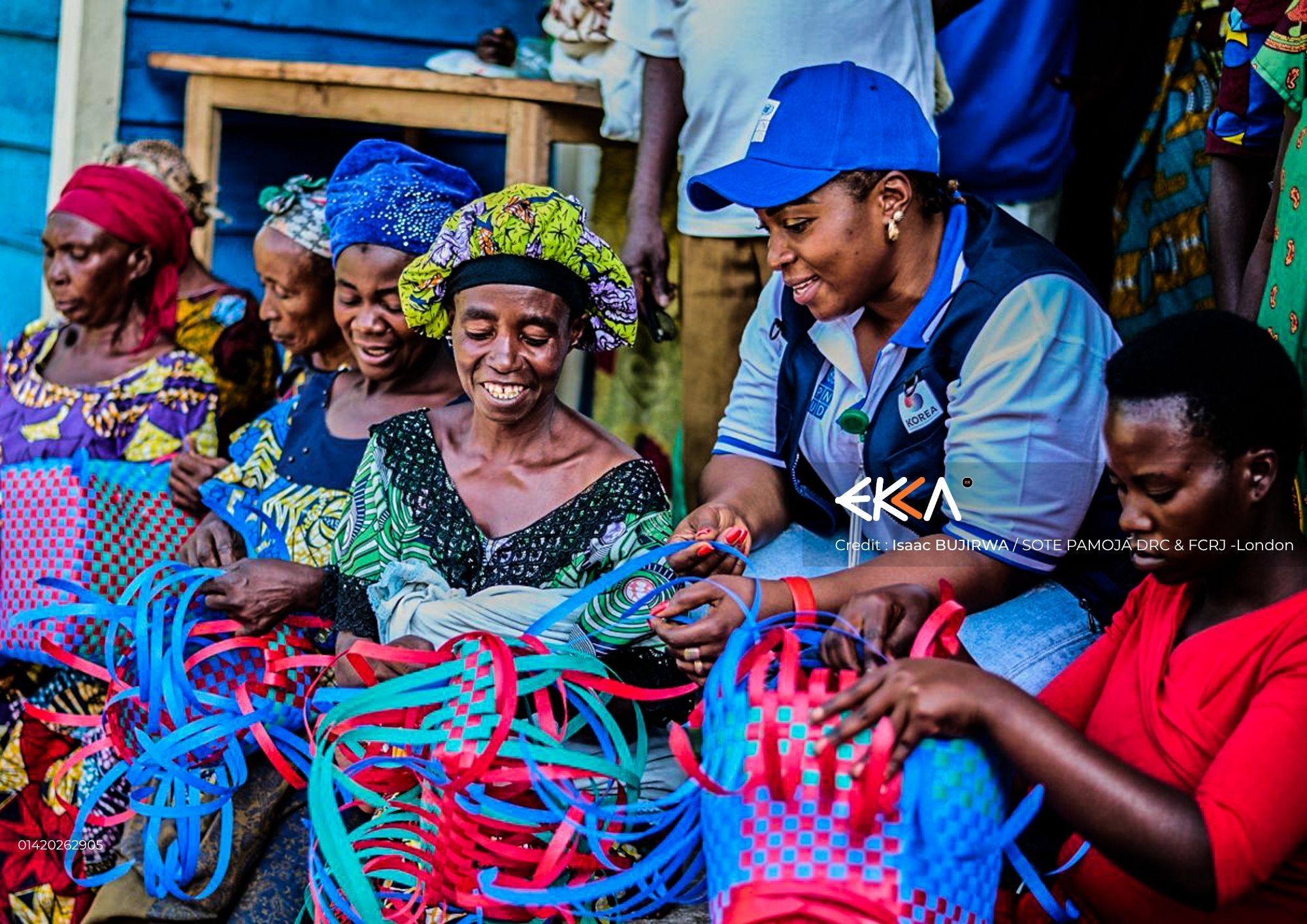
Weaving Peace, One Hand at a Time | From Survival To Governance
Emmanuella Vasikya works alongside women during a handicraft and economic empowerment session in North Kivu, Democratic Republic of Congo, in this undated archive photograph. Under Vasikya's leadership, AVSD RDC has coordinated income-generating programs designed to restore dignity and financial autonomy to women affected by conflict, an approach aligned with international frameworks such as UN Resolution 1325, which recognizes women's economic empowerment as inseparable from sustainable peace. ©AVSD RDC | Sote Pamoja DRC & FCRJ London
 photo
photo
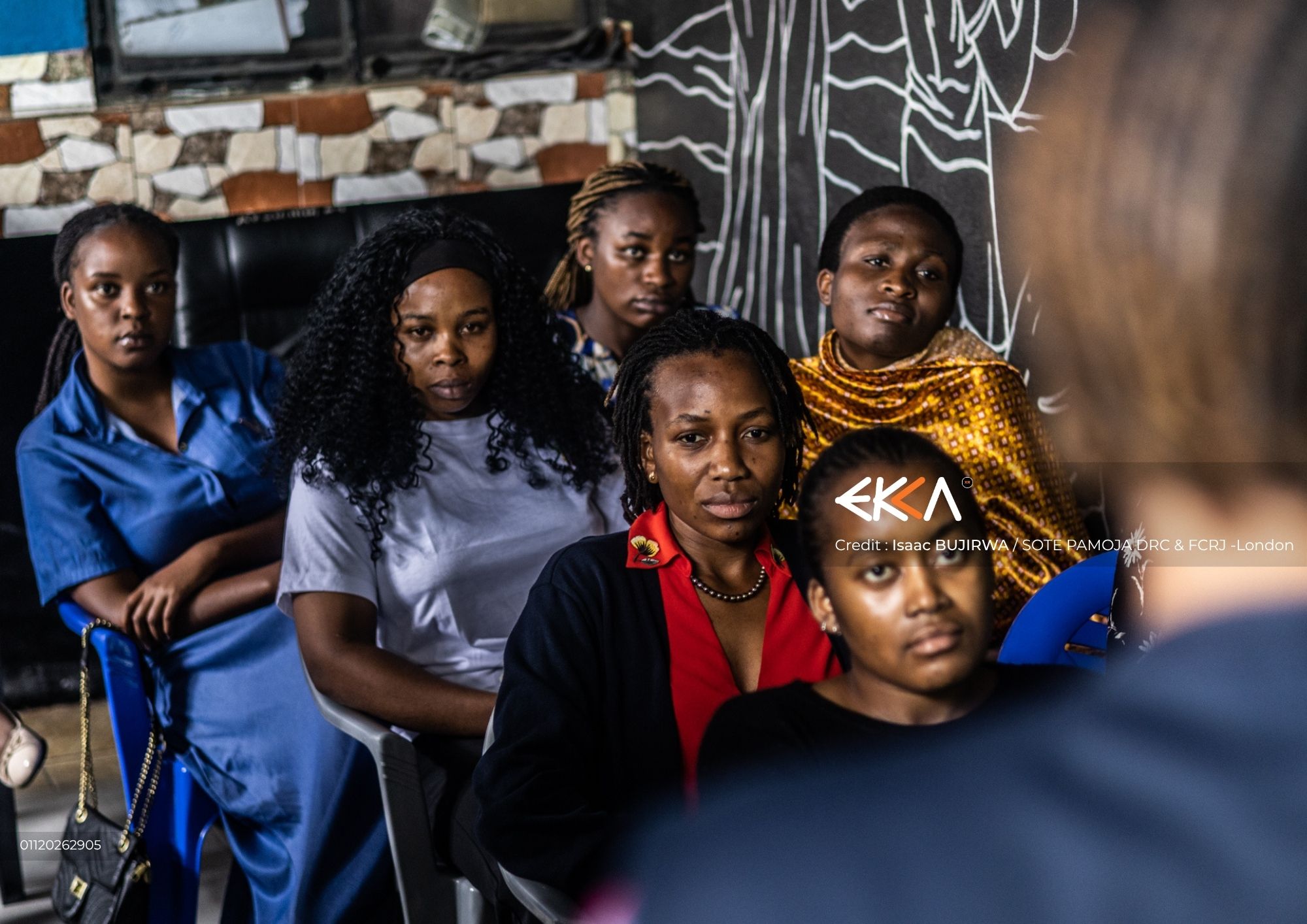
Voices That Cannot Be Silenced | From Survival To Governance
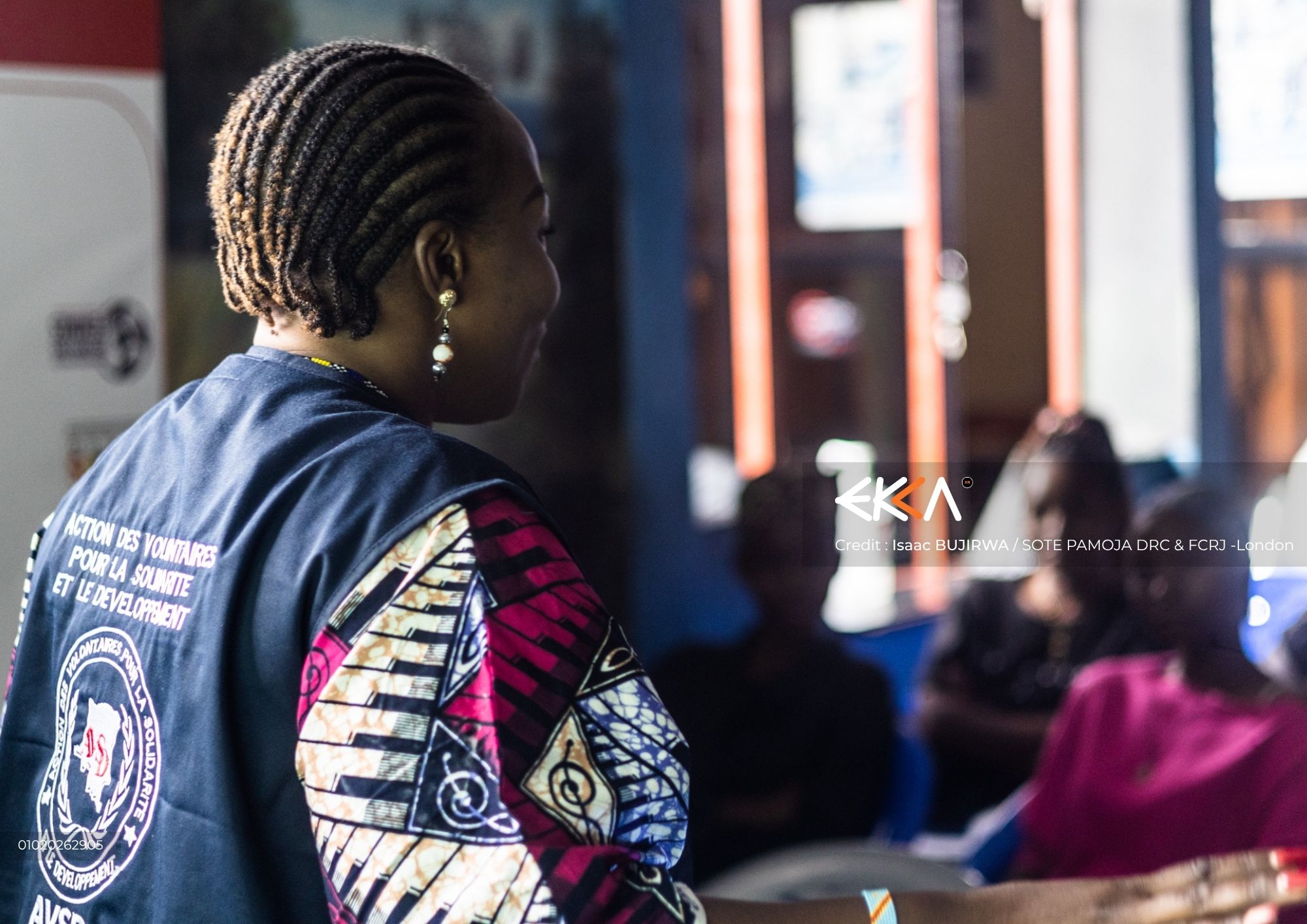
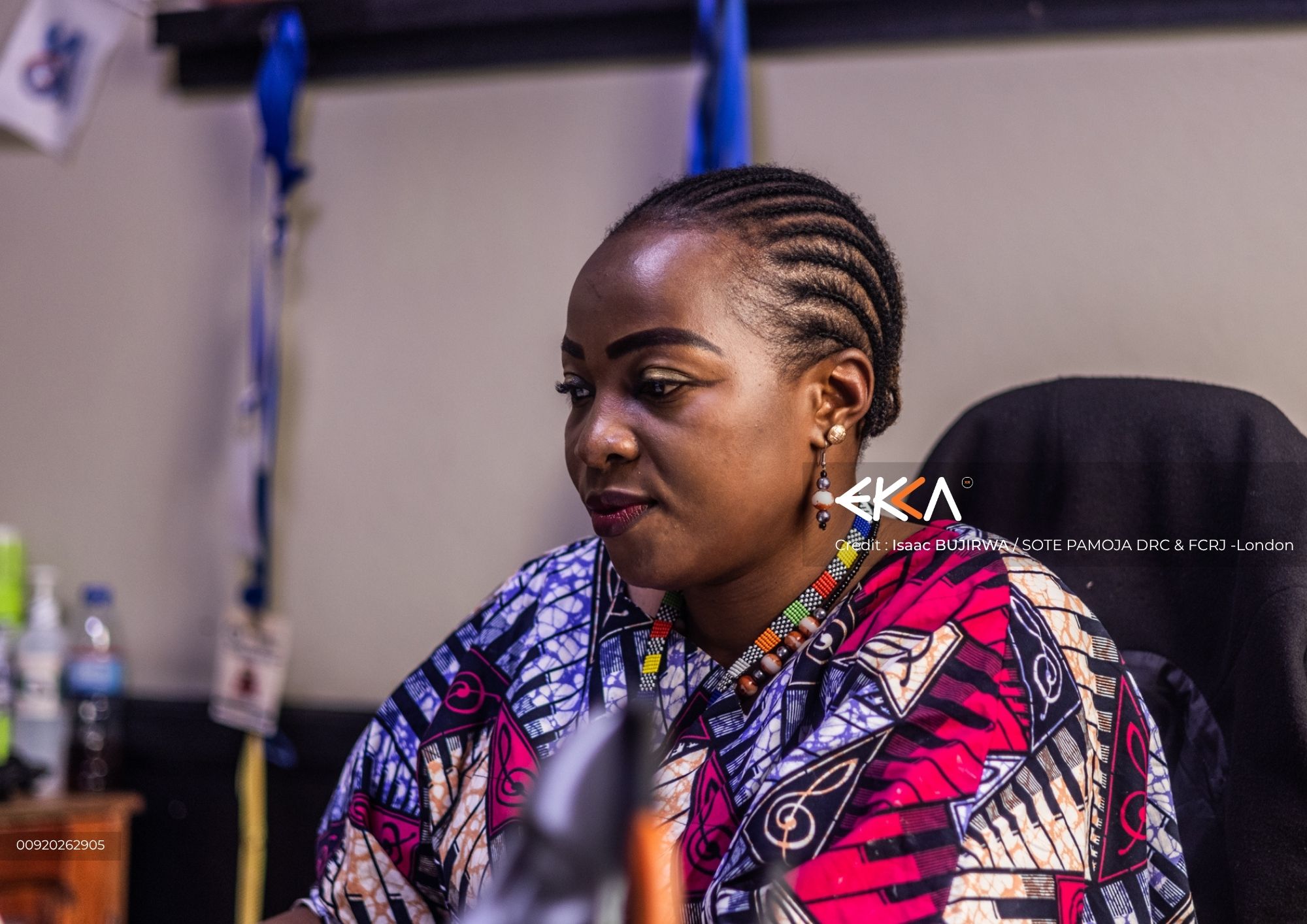
Emmanuella Vasikya, executive secretary of AVSD DRC, listens to and teaches young girls about economic culture and gender during an activity held at her office headquarters in Goma, Democratic Republic of Congo, on March 1, 2026. As armed conflict continues to ravage North Kivu, displacing hundreds of thousands of people and exposing women and girls to unprecedented levels of gender-based violence, Vasikya has spent more than a decade building spaces where their voices are heard, protected, and taken into account. ©Isaac Bujirwa | Sote Pamoja DRC & FCRJ London
 photo
photo
Voices That Cannot Be Silenced | From Survival To Governance
Emmanuella Vasikya, executive secretary of AVSD DRC, listens to and teaches young girls about economic culture and gender during an activity held at her office headquarters in Goma, Democratic Republic of Congo, on March 1, 2026. As armed conflict continues to ravage North Kivu, displacing hundreds of thousands of people and exposing women and girls to unprecedented levels of gender-based violence, Vasikya has spent more than a decade building spaces where their voices are heard, protected, and taken into account. ©Isaac Bujirwa | Sote Pamoja DRC & FCRJ London
 photo
photo
Emmanuella VASIKYA | From Survival To Governance
Emmanuella Vasikya is a women’s rights activist and humanitarian leader based in Goma, serving as Executive Secretary of AVSD and a member of the Coalition of African Women Mediators for Peace. She works on the frontline to protect and empower women and girls affected by conflict, promoting gender-sensitive, survivor-centered approaches and strengthening community resilience through humanitarian, development, and peace building actions.